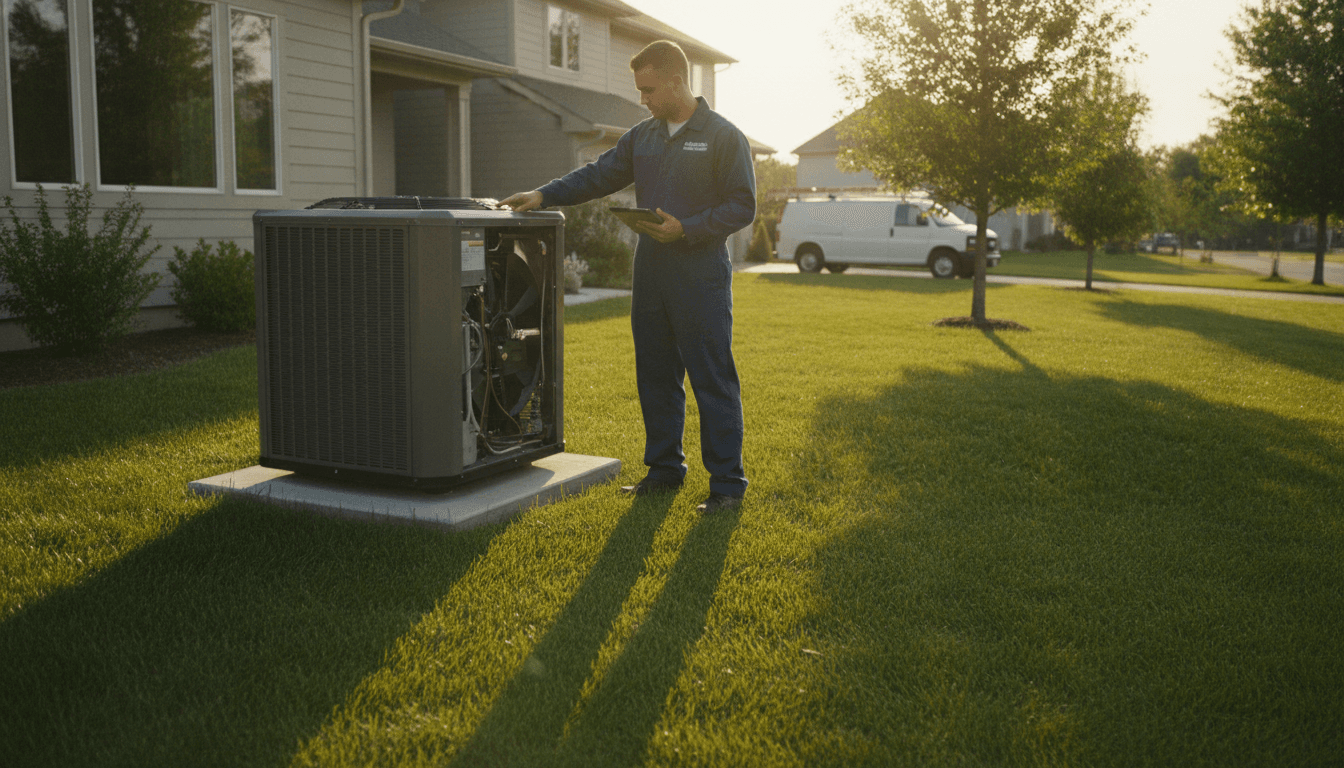
Most fire suppression owners I talk to are convinced their AHJ has gotten unreasonable.
A re-inspection on a building that has been passing for ten years. A citation on a contractor's material and test certificate that was acceptable last year. An impairment notification that used to clear in three days now sitting on a red tag for two weeks. Owners look at this pattern and conclude their AHJ relationship has soured.
It has not.
What changed is what AHJs are testing for. Almost nobody in this trade has updated the playbook their inspectors carry into the field.
Here is what is actually happening, why, and what one out of date playbook costs you over twelve months.
What Changed Between 2019 and 2026
NFPA 25, the standard for inspection, testing, and maintenance of water-based fire protection systems, has gone through three full revision cycles since 2017. The 2017 edition, the 2020 edition, and the 2023 edition each shifted enforcement priorities in measurable ways.
The 2023 edition expanded documentation requirements for internal pipe inspections, tightened impairment notification windows, and added specificity to fire pump testing records.
State adoption of NFPA revisions runs two to four years behind the national release. AHJ adoption at the county and city level runs another twelve to eighteen months behind state adoption. Which means we are now in the window where AHJs are operationalizing the 2020 edition standards while many fire suppression shops trained their inspectors against the 2017 edition or earlier.
The lag is structural. It is not anyone's fault. But the practical result is that your team is walking onto job sites with a mental model that is two cycles out of date.
Three Things Making the Gap Visible Right Now
Florida is in the middle of a multi-year condo recertification wave following the 2025 statewide updates after the Surfside collapse. Fire suppression compliance is one of the line items getting fresh attention, and AHJs in Miami-Dade, Broward, and Palm Beach are running enforcement at a level that did not exist five years ago.
California is operationalizing post-wildfire-season standards updates, with AHJs in fire-prone counties scrutinizing standpipe systems and fire pump documentation in ways that were not standard before.
Texas counties, particularly Harris and Travis, have rotated AHJ inspectors in the last eighteen months. New inspectors arrive with different priorities than the old ones, and shops that had stable AHJ relationships for a decade are suddenly getting cited on things that never came up before.
These are not isolated stories. They are the same pattern, surfacing in different jurisdictions on different timelines.

Why Most Shops Have Not Caught Up
Three reasons, in roughly equal weight.
The first is that NFPA revisions do not make the news. They are released, the trade associations write member updates, and the documents sit on a shelf. Owners running a $4M to $8M shop are not reading 600-page revision documents on the weekend. They are keeping trucks moving.
The second is that the way fire suppression inspectors learn the trade is apprenticeship-based. A senior NICET III inspector trains a junior tech by riding along, showing the work, explaining the patterns. The senior tech learned in 2008. The patterns they are teaching are the patterns from 2008, updated only by what they have personally caught up on. There is no central, current playbook the whole team works from. There is whatever each senior tech remembers.
The third is that AHJ relationships are personal. The same fire suppression shop in the same county can have a great relationship with one inspector and a strained one with another. When AHJ inspectors rotate, the relationship resets. The shop's institutional knowledge of what that AHJ wants resets too. And nobody documents what they learned about the previous inspector before the new one arrives.
These three reasons compound. The information exists. It is just not in a form your team can use in the field.
What One Out of Date Playbook Actually Costs
Take a shop doing 1,000 inspections per year. Average re-inspection rate sitting at 6%. That is 60 re-inspections.
Each re-inspection carries a hard cost: re-inspection fee paid to the AHJ, truck roll, technician hours on site, admin time pulling records and rescheduling. Average across the four, roughly $1,800 to $3,200 per failed inspection. Call it $2,400.
60 re-inspections at $2,400 each is $144,000.
Then add the soft costs. Customer churn from a failed inspection runs roughly 8% on a contracted account. If your average annual contract value is $4,500 and you lose two contracts a year from inspection failures, that is another $9,000 in lost revenue plus the new business cost to replace them. Round to $20,000.
Total annual leak from a 6% re-inspection rate on 1,000 inspections per year: roughly $164,000.
For a shop running 1,500 inspections at the same rate, the leak is roughly $246,000.
For a shop running 800 inspections at a 4% re-inspection rate, the leak is roughly $87,000.
These numbers compound year over year because nothing about the underlying problem changes. The trade's mental model stays in 2017. The AHJs operationalize 2023. The gap widens.
And the bigger number is not even on the spreadsheet. It is the AHJ relationship damage.
Every failed inspection signals to your AHJ that your shop is not reliable, which means more scrutiny on the next inspection, which means a higher re-inspection rate next quarter, which means more relationship damage. The compound is downstream.

What Changes When You Build a Current AHJ Playbook
A current AHJ playbook is not a binder. It is not a training program. It is a structured capture of:
- What each AHJ in your operating territory is actually testing for, by jurisdiction, with specifics. Backflow preventer documentation in Broward County. Standpipe testing records in Travis County. 5 year internal pipe inspection patterns in Pinellas County.
- The current NFPA 25 revision your team is working from, mapped to the AHJ adoption status in each jurisdiction. So an inspector walking into Hialeah knows the AHJ there is operationalizing the 2020 edition standards on impairment notifications.
- The AHJ relationship history. Who the current inspector is. What they prioritize. What the previous inspector cared about. What patterns of citations the AHJ has issued in the last 24 months.
Once that is captured, every truck has access to it. Not the senior inspector's head. The truck.
What the Shops That Build It See in 60 Days
Re-inspection rate drops. First-pass rate climbs.
Customer trust holds because they see you preempt issues, not react to them.
New inspectors ramp faster because they walk in with current information, not last decade's.
AHJ relationships improve because inspectors talk and word gets around about which shops show up prepared.
The senior tech becomes more valuable, not less. What they know runs through the whole business instead of getting stuck on one truck.
Why This Matters Whether You Sell or Not
Pye-Barker Fire & Safety. Impact Fire Services. Cintas Fire Protection.
The big consolidators in this space are not buying trucks. They are buying documented operations. And one of the first things they audit during diligence on a tuck-in acquisition is your AHJ history. Re-inspection rate. Citation history. Impairment clear times. AHJ-by-AHJ relationship strength.
If your numbers are clean, you are worth a multiple. If they are not, you are worth a fraction or you are not worth acquiring at all.
This is true whether you are planning to sell next year or never.
The shops getting acquired right now are the ones that built the playbook before they had to. The shops getting passed over are the ones that did not.
If you are not selling, the playbook still pays. The leak number you saw above stops bleeding. Your business stops being held together by a few people who happen to remember what your AHJ wanted last quarter.
Either way you win.
What to Do This Week
Three steps, in order.
1. Pull Your Re-inspection Rate for the Last 12 Months
Total inspections, total re-inspections, percentage. If you do not have it tracked, that is the first thing to fix. You cannot manage what you cannot see.
2. Map the AHJs You Operate Under
List each jurisdiction. Note which inspector is currently active, when they rotated in, and what they have been citing in the last six months. If your senior inspectors hold most of this in their heads, that is your gap.
3. Run the Leak Math on Your Current Numbers
Re-inspection rate × annual inspection volume × average failed inspection cost + customer churn. If the number is uncomfortable, that is the size of the opportunity. If the number is small, your shop is already ahead of most.
Sources and References
- NFPA 25: Inspection, Testing, and Maintenance of Water-Based Fire Protection Systems
- American Fire Sprinkler Association (AFSA): 2023 Edition Operationalization Guidance
- National Fire Sprinkler Association (NFSA): Member Updates on AHJ Enforcement
- Florida Building Commission: Condominium Recertification Statute Updates 2025
- California State Fire Marshal: Post-Wildfire Standards Updates
- Fire Protection Contractor Magazine: Industry Consolidation Coverage 2024-2026
- Pye-Barker Fire & Safety Acquisition Activity (Trade Press Coverage)
THE BRAIN MAP
A live 45 minute diagnostic that maps what is packaged in your business and what is still trapped inside you and your key players, across all seven layers of how you operate. See your AHJ exposure quantified, your tracking gaps named, and what one current playbook would change.
See this in your own business.
We run a live workshop where we walk through exactly where your business intelligence is accessible and where it is still trapped. You will leave with a clear picture of what needs to be packaged first.
Join the Live Workshop